Source High Support Strapless Sports Bras for Yoga, Running, Gym
Explore 30 options for high support strapless sports bras designed for active wear. Compare features like windbreak, waterproof, and rip-stop materials. Find customizable logos and sizes for your fitness brand needs; compare the available evidence and request quotations based on your requirements.
Key considerations
Products List


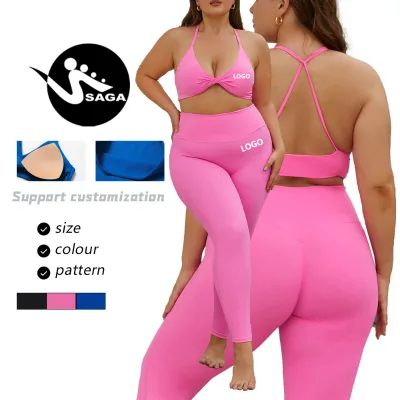

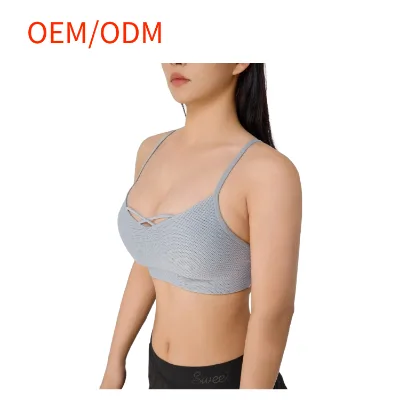


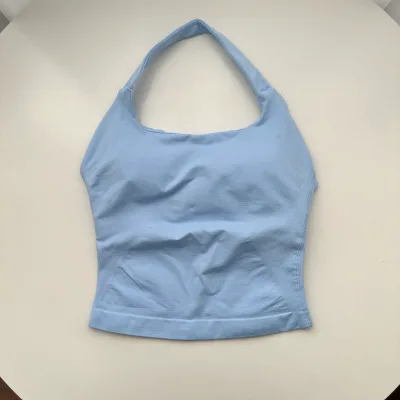
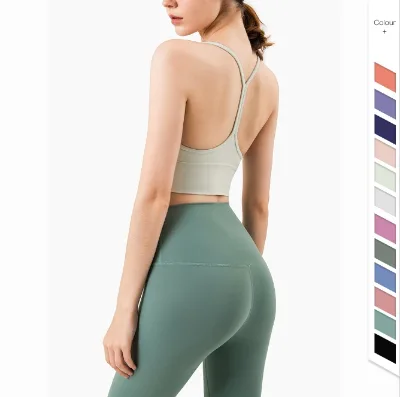

Comprehensive Sourcing Guide
High Support Strapless Sports Bras Sourcing Guide
Procuring high support strapless sports bras requires a nuanced understanding of structural engineering and material science, as the absence of shoulder straps places the entire load-bearing burden on the band and underwire or molded cup architecture. Buyers must recognize that "high support" in a strapless context is a relative term, heavily dependent on the specific activity intensity and the wearer’s body geometry. Unlike traditional sports bras that distribute weight across the shoulders, strapless designs rely on advanced friction mechanics, silicone grip strips, and reinforced elastic bands to prevent slippage during dynamic movement. This fundamental shift in design necessitates rigorous testing protocols that go beyond standard tensile strength checks, focusing instead on shear resistance and long-term elasticity retention. Sourcing teams must prioritize suppliers who demonstrate expertise in pattern drafting for this specific silhouette, as poor fit can lead to immediate product failure and high return rates in the retail market.
The market for these garments is segmented by activity type, ranging from low-impact yoga and pilates to high-intensity interval training and dance. Each segment demands distinct material properties and construction techniques, making a one-size-fits-all sourcing strategy ineffective. For instance, high-impact activities require rigid structural elements such as underwires or molded cups to provide lift and containment, while low-impact activities may utilize seamless knitted fabrics for comfort and breathability. Buyers should analyze their target demographic’s specific needs, considering factors such as cup size distribution and preferred aesthetic styles, such as racerback or backless designs. Understanding these nuances allows for more accurate specification sheets and reduces the risk of misalignment between supplier capabilities and end-user expectations, ensuring that the final product delivers both performance and comfort.
Product Scope and Observed Listing Signals
Analysis of current market listings reveals a diverse range of product attributes that buyers must navigate when defining their procurement requirements. Observed data indicates a wide price range from 0.5 to 14 USD, reflecting variations in material quality, construction complexity, and brand positioning. Minimum order quantities (MOQs) vary significantly, ranging from single pieces for sampling to 5000 units for bulk production, which impacts inventory planning and cash flow management. Suppliers frequently offer customization options, including custom colors, logos, labels, and tags, allowing brands to differentiate their offerings in a crowded marketplace. However, buyers must carefully evaluate these customization capabilities, as excessive customization can lead to longer lead times and higher per-unit costs, potentially eroding profit margins if not managed effectively.
Material composition is a critical differentiator, with listings showing products made from nylon, cotton, and blended fabrics, each offering distinct performance characteristics. Nylon-based products often emphasize durability, quick-drying properties, and moisture-wicking capabilities, making them suitable for high-sweat activities. In contrast, cotton blends may prioritize breathability and softness, appealing to consumers seeking comfort for low-impact exercises. Some listings highlight specific features such as windbreak, waterproof, rip-stop, and anti-UV properties, which may be relevant for outdoor sports applications. Buyers should verify these claims through sample testing, as marketing language does not always correlate with actual performance. Additionally, packaging details, such as polybag or carton specifications, provide insights into the supplier’s operational efficiency and attention to detail, which can influence logistics costs and product presentation upon arrival.
Technical Specifications to Verify
Verifying technical specifications is paramount to ensuring that the sourced bras meet the required performance standards, particularly regarding support and fit. Key attributes to validate include cup size, cup shape, and strap type, as these elements directly influence the garment’s ability to provide adequate support without straps. For example, products listed with C Cup or B Cup sizes require precise pattern grading to ensure proper coverage and lift, while half-cup or five-eighth cup designs may offer different levels of containment and aesthetic appeal. Buyers should request detailed size charts and fit samples to assess the accuracy of the grading and the consistency of the manufacturing process. Additionally, verifying the support type, such as wire-free or underwired construction, is essential, as each approach has distinct advantages and limitations in terms of comfort and structural integrity.
Material and construction techniques also play a crucial role in the overall performance of the garment. Knitted fabrics, for instance, offer stretch and recovery properties that are vital for maintaining fit during movement, while woven materials may provide more structure but less flexibility. Buyers should examine the layer construction, such as two-layer designs, which can enhance durability and support by adding an extra layer of fabric for reinforcement. Features like seamless construction can reduce chafing and improve comfort, but they require specialized knitting machinery and expertise, which may affect production costs and lead times. Furthermore, verifying the standard sizes, such as S, M, L, or specific measurements like 60x40x40cm for packaging, ensures that the products align with the target market’s sizing preferences and logistical requirements.
Compliance and Safety Documentation
Compliance and safety documentation are non-negotiable elements of the sourcing process, ensuring that the products meet regulatory requirements and industry standards. Buyers must verify that suppliers adhere to relevant safety standards, such as OEKO-TEX, which certifies that the textiles are free from harmful substances. This certification is particularly important for intimate apparel, as it assures consumers that the products are safe for prolonged skin contact. Additionally, suppliers should provide test reports for flammability, colorfastness, and tensile strength, which are critical for assessing the durability and safety of the garments. Buyers should request these documents during the sampling phase and verify their authenticity through independent testing laboratories if necessary, as relying solely on supplier-provided data can pose significant risks.
Beyond material safety, buyers must also consider labeling and packaging compliance, which vary by destination market. Regulations often require specific information on product labels, including fiber content, care instructions, country of origin, and manufacturer details. Non-compliance with these labeling requirements can result in customs delays, fines, or product recalls, making it essential to review all labeling materials before production begins. Furthermore, packaging standards, such as the use of recyclable materials or specific carton dimensions, may be mandated by retailers or environmental regulations. Buyers should collaborate with their legal and compliance teams to ensure that all documentation and labeling meet the requirements of the target markets, thereby mitigating legal risks and enhancing brand reputation.
Cost Drivers and Commercial Terms
Understanding the cost drivers associated with high support strapless sports bras is essential for effective budgeting and negotiation. Material costs are a primary driver, with prices varying based on the type and quality of fabrics used, such as nylon, cotton, or specialized blends. Labor costs also play a significant role, particularly for products requiring complex construction techniques like seamless knitting or intricate pattern drafting. Buyers should analyze the cost breakdown to identify areas where savings can be achieved without compromising quality, such as optimizing material usage or streamlining production processes. Additionally, customization options, such as custom colors, logos, and packaging, can increase costs, so buyers should carefully evaluate the value these additions bring to their brand before committing to them.
Commercial terms, including payment terms, lead times, and shipping arrangements, significantly impact the overall cost of procurement. Buyers should negotiate favorable payment terms, such as partial upfront payments and balance upon shipment, to manage cash flow and mitigate financial risk. Lead times are another critical factor, as delays can disrupt inventory planning and result in missed sales opportunities. Buyers should establish clear timelines and penalties for delays in the contract to ensure accountability. Furthermore, shipping costs can vary based on the weight and volume of the products, so optimizing packaging dimensions and consolidating shipments can help reduce logistics expenses. By carefully managing these commercial terms, buyers can achieve better cost efficiency and improve their overall profitability.
Supplier Qualification and Quality Control
Supplier qualification is a critical step in the sourcing process, ensuring that the selected partners have the capability and reliability to deliver high-quality products. Buyers should conduct thorough due diligence, including factory audits, to assess the supplier’s production capacity, quality management systems, and ethical labor practices. Factories located in regions known for textile manufacturing, such as China, may offer competitive pricing and advanced technical capabilities, but buyers must verify their compliance with international labor and environmental standards. Additionally, evaluating the supplier’s experience with similar products, such as sports bras or intimate apparel, can provide insights into their expertise and ability to meet specific technical requirements. Building a strong relationship with qualified suppliers fosters trust and collaboration, leading to better product outcomes and smoother communication throughout the procurement process.
Quality control measures must be implemented at every stage of production to ensure consistency and adherence to specifications. Buyers should establish clear quality standards and inspection criteria, including checks for material defects, stitching quality, and fit accuracy. Pre-production samples should be approved before bulk manufacturing begins, and in-line inspections should be conducted during production to identify and address issues early. Final random inspections should be performed before shipment to verify that the products meet all quality requirements and packaging standards. Implementing a robust quality control system reduces the risk of defects and returns, enhancing customer satisfaction and protecting the brand’s reputation. Buyers should also consider hiring third-party inspection agencies to provide objective assessments and ensure that the supplier maintains high-quality standards consistently.
Long-Term Procurement Checks
Long-term procurement checks are essential for maintaining supplier performance and adapting to changing market conditions. Buyers should conduct regular performance reviews, assessing suppliers based on key metrics such as on-time delivery, product quality, and responsiveness to issues. These reviews provide valuable insights into the supplier’s reliability and help identify areas for improvement. Additionally, buyers should monitor market trends and consumer preferences, adjusting their sourcing strategies accordingly to remain competitive. For example, if there is a growing demand for sustainable materials, buyers should explore suppliers who offer eco-friendly options and verify their certifications. By staying informed about industry developments, buyers can proactively address potential challenges and capitalize on new opportunities, ensuring that their procurement strategy remains aligned with business goals.
Continuous improvement initiatives should be encouraged through open communication and collaborative problem-solving with suppliers. Buyers should share feedback from customers and internal quality reports to help suppliers refine their processes and enhance product quality. Establishing a culture of continuous improvement fosters innovation and efficiency, leading to better products and lower costs over time. Furthermore, buyers should diversify their supplier base to mitigate risks associated with single-source dependencies, ensuring business continuity in the event of supply chain disruptions. By implementing long-term procurement checks and fostering strong supplier relationships, buyers can build a resilient and agile supply chain that supports sustainable growth and competitive advantage in the dynamic sports apparel market.
FAQs
Can I get custom colors and logos on these sports bras?
Yes, you can request custom colors, logos, labels, and tags for these products. The supplier offers full customization options including custom bags and specific packing requirements to meet your branding needs.
What materials are used for the high support sports bras?
The products are available in Nylon and Cotton materials. These fabrics are selected to provide durability and comfort while supporting various features like moisture-wicking and quick-drying capabilities for active use.
Which cup sizes and shapes are available for these bras?
Available cup sizes include B Cup and C Cup with shapes like Half Cup and 5/8 Cup. Some models feature wire-free support and two-layer construction to ensure a secure fit during intense workouts.
How are the products packed for shipment from China?
Packing options include one piece in a polybag or sixty to eighty pieces in a carton. Custom bags and tags are also available, ensuring the products are protected and ready for retail distribution.
What features do these sports bras offer for active wear?
These bras feature windbreak, waterproof, rip-stop, and quick-drying properties. Additional benefits include moisture-wicking, flame-retardant, breathable, anti-UV, and anti-static capabilities designed to enhance performance during physical activities.
Can I find manufacturers with specific model numbers for sourcing?
Yes, specific model numbers like 22050405, P20201223, and SYL-091 are available for sourcing. These identifiers help locate exact product specifications and ensure you receive the correct style and technical details.